Curated Routine

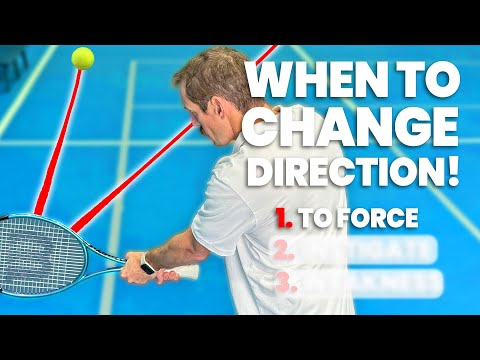
Win Singles Tennis Matches By Knowing When To Go Up The Line

Tennis
Training ~6 minStart follow-along — free, no signup
Created from “Win Singles Tennis Matches By Knowing When To Go Up The Line” by Jeff Lewis TennisWatch original

Win Singles Tennis Matches By Knowing When To Go Up The Line is a curated workout routine with 4 ordered actions and 4 short form clips. Start with Short Ball Down-The-Line Attack and Attacking Opponent's Weaker Wing Down-The-Line. Review the available targets, sets, coaching cues and rest for each action. Estimated training time is about 6 min; rest is listed per action.

Training ~6 minOriginal video 3:534 actionsSingle training session
Start this session

Follow in order

Action Sequence

Browse all actions
0:00 / 0:20
1

Short Ball Down-The-Line Attack

Sets: 1Reps: 10 repsRest: 1 minClip: 20 sec

Attack a short and weak incoming ball by redirecting it down the line to force an error and end the point quickly before your opponent can recover.

Before you start

  • Identify a short ball or weak floating shot inside the baseline.
  • Adopt an aggressive, balanced ready stance with an early racket preparation.
  • Anticipate a ball sitting up inside the court to drive through.

Movement sequence

  1. Move forward aggressively inside the baseline to take the ball early.
  2. Adjust your footwork to establish a stable hitting platform.
  3. Accelerate cleanly through the ball with upward topspin.
  4. Direct the shot cleanly down the shorter side line.

Key points

  • Clean contact point well in front of the body.
  • Low-to-high swing path ensuring net clearance and depth.

Common mistakes

Waiting too long and letting the ball drop below net level. Rushing the footwork and hitting off-balance.

Practice notes

Practice feeding short balls to train aggressive step-in attacks. Focus on quick recovery back to the center baseline after hitting.

0:00 / 0:18
2

Attacking Opponent's Weaker Wing Down-The-Line

Sets: 1Reps: 10 repsRest: 1 minClip: 18 sec

Exploit your opponent's technical vulnerability by changing the direction of the rally to target their weaker side down the line.

Before you start

  • Spot flaws or breakdowns in your opponent's groundstroke fundamentals.
  • Recognize when you receive a neutral or slightly favorable ball to transition.
  • Set your grip and prepare your racket early for the targeted wing.

Movement sequence

  1. Maintain a steady crosscourt exchange to set up the opening.
  2. Recognize the cue when an opponent leaves a ball vulnerable to their weak side.
  3. Shift your weight forward and redirect the ball down the line into their weakness.
  4. Commit fully to the stroke without decelerating.

Key points

  • Disguise your intention until the last moment to prevent early anticipation.
  • Solid wrist and racket face control upon contact.

Common mistakes

Telegraphing the down-the-line shot with early shoulder rotation. Targeting the weakness on a ball that is too deep or defensive.

Practice notes

Drill directional changes exclusively targeting a partner's backhand or forehand flaw. Prioritize high-percentage placement over excessive power.

0:00 / 0:18
3

Pattern Change / Breaking Crosscourt Rally

Sets: 1Reps: 10 repsRest: 1 minClip: 18 sec

Break out of a prolonged crosscourt rally by changing direction down the line to instigate your desired pattern and disrupt your opponent's rhythm.

Before you start

  • Establish deep crosscourt rally depth to pin your opponent back.
  • Build a consistent rhythm before deciding to change direction.
  • Look for an appropriate ball with sufficient height and control.

Movement sequence

  1. Engage in standard crosscourt groundstroke exchanges.
  2. Identify an opportunity where your rhythm is high and opponent is neutral.
  3. Flatten out or drive the ball down the line to alter court geometry.
  4. Transition quickly to cover the open court space resulting from the shot.

Key points

  • Maintain body balance during the directional shift.
  • Ensure sufficient clearance over the higher net post.

Common mistakes

Attempting a directional change off a heavy, deep crosscourt ball. Failing to cover the down-the-line reply after changing pattern.

Practice notes

Use hitting partner sessions to practice changing direction after 4 to 6 crosscourt shots. Focus on patience and waiting for the right rhythm.

0:00 / 0:19
4

Crosscourt to Down-The-Line Trigger Drill

Sets: 1Reps: 10 repsRest: 1 minClip: 19 sec

Perform a structured hitting partner drill where players rally crosscourt and use a predetermined short or weak ball trigger to rip it down the line.

Before you start

  • Establish a cooperative hitting partner dynamic.
  • Set clear rules regarding which ball serves as the down-the-line trigger (e.g., short ball).
  • Get into a standard crosscourt rallying stance.

Movement sequence

  1. Initiate a steady crosscourt rally with your partner.
  2. Wait for a shorter or weaker ball to enter your strike zone.
  3. Trigger the attack by changing direction down the line.
  4. Play out the rest of the point cooperatively or competitively.

Key points

  • Both players must recognize the agreed trigger ball instantly.
  • Maintain fluid footwork transition from crosscourt defense to down-the-line offense.

Common mistakes

Ripping down the line on every single ball instead of waiting for the trigger condition. Losing crosscourt rally depth during the setup phase.

Practice notes

Incorporate this drill into regular hitting sessions to build tactical instinct. Rotate roles so both players practice recognizing triggers and defending against down-the-line attacks.

Video demonstrations are referenced from public platforms for instructional context. TrainFlow is independent and not affiliated with or endorsed by the original content creators.