1. Executive Summary: The Bad Sleep Dilemma
Almost every dedicated lifter and athlete hits this exact wall: you wake up to an alarm after tossing and turning for hours, having accumulated barely 4 hours of fragmented sleep. Your head feels cloudy, your eyelids burn, and your scheduled training plan calls for heavy deadlifts, squats, or high-intensity sprints.
At this moment, trainees usually swing between two disastrous extremes:
Downing 400mg of caffeine, ignoring sluggish warm-up bar speeds, and attempting prescribed 1RM or failure sets with compromised neuromuscular stabilization. Result: form breakdown, lumbar shearing, and heightened injury risk.
Believing fitness myths that lifting tired is "100% catabolic," you cancel the workout entirely, lose weekly consistency, and break your movement momentum over a temporary, single-night sleep dip.
You do not need to skip training, nor should you stubbornly chase your pre-planned personal records. By making precise, evidence-based reductions to load, volume, and technical complexity, you preserve the training habit, stimulate your target musculature, and prevent central nervous system burnout.
2. What the 2026 Science Shows (24-Trainee Trial)
A breakthrough 2026 randomized crossover investigation examined exactly how a single night restricted to 4 hours of sleep affects resistance-trained men and women. The findings—subsequently reported by Men's Fitness (October 16, 2026)—subjected 24 strength-trained individuals to identical testing protocols under normal sleep vs. 4-hour sleep restriction.
Published October 16, 2026 · 24-subject crossover trial evaluating velocity loss, repetition endurance, and RPE.
Figure 1: 4-Hour Sleep Debt vs. Normal Recovery Performance
Explosive velocity slows out of the hole due to delayed neuromuscular recruitment.
High-repetition buffering capacity diminishes; failure sets induce higher peripheral burn.
Identical poundage feels markedly heavier due to reduced prefrontal alertness.
Zero muscle wasting. Fully recoverable in 24 hours.
Severe clinical stress. Do not apply to standard bad sleep.
| Tested Variable | Male Trainees | Female Trainees | Physiological Meaning |
|---|---|---|---|
| Explosive Power & Bar Speed | −7% to −13% decline | Mild reduction | Barbell velocity slowed significantly out of the hole. |
| Muscular Repetition Endurance | Moderate drop | −7% to −12% squat reps | Submaximal reps to failure declined under high volume. |
| Subjective Effort (RPE) | Marked increase | Marked increase | The same absolute weight felt 1.5–2 points heavier on RPE. |
| Motor Control & Focus | Delayed reaction time | Delayed reaction time | Micro-lapses in balance and bracing during compound lifts. |
3. Myth Busting: Muscle Loss vs. Real Acute Risk
Online fitness creators love sharing frightening statistics to maximize video views: "A bad night's sleep drops your muscle protein synthesis by 18%!" or "Training tired destroys your testosterone!"
Those catastrophic numbers (like an 18% decline in muscle protein synthesis or a 24% spike in cortisol) come from clinical laboratory studies on total sleep deprivation (TSD)—meaning human subjects who were kept awake for 24 to 48 consecutive hours in a dark room with zero minutes of sleep.
Do not apply 24-hour total deprivation data to a 4-hour sleep night. When you sleep 4 hours, your body still cycles through vital slow-wave deep sleep and essential hormonal pulses. You will not lose lean muscle mass or destroy weeks of hypertrophy progress from one bad night.
4. The 4-Step Workout Adjustment Checklist
Take this exact decision checklist to the gym floor whenever you wake up with poor sleep. Do not deliberate; follow these four rules automatically:
Rule 1: Never Test a 1RM or Train to True Muscular Failure
Maximal attempts (1RM) require peak central nervous system synchronization and instantaneous core bracing. When sleep is depleted, motor unit recruitment speed lags by up to 13%. Grinding through a zero-RIR rep is how torn pecs, rounded-lumbar deadlifts, and shoulder impingements happen. Postpone 1RM tests to a well-rested day.
Rule 2: Drop Working Loads by 5%–10% If Warm-Ups Feel Heavy
During your warm-up sets, assess bar speed and perceived effort. If 70% of your max moves with sluggish, sticky friction, accept the signal: deduct 5% to 10% from your planned working sets. Lifting 200 lbs cleanly with high motor control delivers far greater hypertrophy stimulation than grinding 225 lbs with bad technique.
Rule 3: Enforce a Strict 2–3 Reps in Reserve (RIR 2–3 / RPE 7–8)
Do not push sets to the absolute brink. Cap every working set when you know you could only perform 2 to 3 more clean repetitions with pristine form. This preserves mechanical tension on the muscle fibers while preventing the exponential systemic fatigue buildup that ruins subsequent sets and impairs sleep the next night.
Rule 4: Trim Exactly 1 Working Set from Each Compound Lift
If your routine prescribes 4 sets of barbell squats followed by 4 sets of Romanian deadlifts, perform 3 sets of each. That single reduction cuts overall systemic fatigue by 25% without sacrificing hypertrophy stimulus, ensuring you exit the gym stimulated, uninjured, and ready to rest.
Figure 2: The 4-Step Workout Autoregulation Matrix
No 1RM / True Failure
Immediately cancel planned 1RM maximal attempts. Lacking neural synchronization increases joint injury odds.
Warm-Up Velocity Test
If 70% 1RM feels sluggish or sticky during warmups, deduct 5%–10% from today's working load.
Enforce RIR 2–3 Buffer
Stop every set with 2 to 3 good repetitions in reserve. Maintain high mechanical tension without central burnout.
Trim 1 Set Per Compound
Drop 1 set per heavy compound lift (e.g. 4 sets ➔ 3 sets). Cuts systemic fatigue by 25% while preserving muscle gains.
5. Adapting Across Sports & Technical Drills
TrainFlow is an action-driven workflow platform for all physical disciplines, not just the barbell squat rack. Here is how autonomous trainees modify court, track, and bodyweight skill practices following bad sleep:
Rhythm & Stationary Mechanics
Cut: Full-court transition scrimmages, maximal reactive cutting, and max-effort vertical rim touches.
Focus: Stationary form shooting, spot-up jumper footwork, low-impact floater touch, and free throws.
Stroke Flow & Soft Hands
Cut: 100% kick serves, high-speed split-step scramble drills, and heavy overhead smashes.
Focus: Crosscourt rally rhythm, drop-shot touch, controlled wall volleys, and shoulder mobility flow.
Static Holds & Joint Alignment
Cut: High-velocity muscle-up transitions, explosive plyometric pushups, and dynamic releases.
Focus: Chest-to-wall handstand alignment, scapular hollow holds, wrist prehab, and mobility rotations.
6. Let Your Data Speak: Log Fatigue in TrainFlow
The biggest problem with managing bad sleep is relying on memory. Two weeks later, you forget whether a 5% load reduction made you feel refreshed or if pushing through caused a plateau.
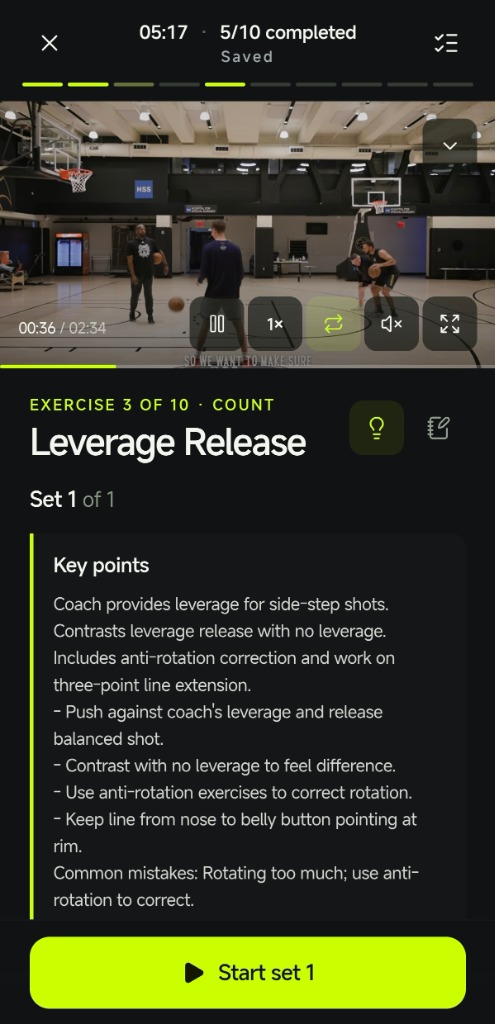
When wrapping up a workout on the TrainFlow mobile app, trainees review 5–15s looping video form cues and tap to log actual reps, loads, and a subjective Post-Session Fatigue Rating (1 to 10).
Load Adjustment: −10% working weight · Reps in Reserve: 2–3 · Volume: 1 set trimmed per compound lift.
Next-day biofeedback: Zero joint inflammation, central recovery normalized within 24 hours.
Load: 100% full programmed target · Reps in Reserve: 1–2 · Full planned volume executed cleanly.
Next-day biofeedback: Standard localized DOMS, explosive neuromuscular velocity intact.
*(Illustrative session data shown above. Your real longitudinal records are saved directly to your TrainFlow account).*
Free, instant access in browser — zero paywalls or credit cards.
7. Verification Notes & Medical Disclaimer
Data Source & Fact-Check Verification
The physiological performance benchmarks cited in this guide reference the 2026 randomized crossover investigation on 24 trained lifters undergoing 4-hour acute sleep restriction, as reported in detail by Men's Fitness on October 16, 2026 (What One Night of 4 Hours of Sleep Does to Your Lifting Performance). Comparisons against 24-hour total sleep deprivation metrics were cross-referenced against peer-reviewed sports physiology literature.
No Universal Outcome Guarantee
Individual biological recovery varies significantly based on age, nutritional intake, life stress, and prior training age. Autoregulating by reducing loads by 5%–10% is a conservative harm-reduction strategy, not an infallible shield against all fatigue symptoms.
Medical & Training Disclaimer
This guide is published for educational and exercise programming adjustment purposes only. It is not medical advice. If you suffer from chronic insomnia, severe sleep apnea, daytime fainting, or persistent neurological fatigue, consult a licensed medical physician or certified sleep specialist before undertaking vigorous resistance exercise.
8. Frequently Asked Questions
Should I work out at all if I only slept 4 hours?
For most healthy trainees, a single night of 4 hours of sleep does not require skipping training entirely. Research shows that while peak velocity and stamina decline by 7% to 13%, physical capability remains largely intact if you adjust parameters. The key is to avoid 1RM attempts and technical failure, reduce compound volume by one set, and treat the session as an autoregulated stimulus rather than an all-out personal record attempt.
Does one night of bad sleep cause acute muscle loss or stop muscle growth?
No. Claims that a single bad night reduces muscle protein synthesis by 18% or destroys hormones are derived from extreme 24-hour total sleep deprivation studies, not partial sleep restrictions of 4 to 5 hours. A single night of poor sleep causes neural and cognitive lag rather than rapid muscle tissue breakdown. As long as you maintain nutrition and catch up on rest the following night, your long-term hypertrophy is unaffected.
How much should I reduce my weights and volume after poor sleep?
Follow a two-part guideline: if your warm-up barbell speed feels noticeably slow or heavy, drop working loads by 5% to 10%. Secondly, trim one working set from each primary multi-joint compound movement (for example, perform 3 sets instead of 4) and leave 2 to 3 reps in reserve (RIR 2–3) on every set to prevent excessive central nervous system drain.
How do I adapt technical sports drills (basketball, tennis, calisthenics) when fatigued?
Cut high-impact, reactive, and maximal-effort drills such as maximum vertical touches, reactive agility cutting, or high-risk calisthenics transitions. Shift your focus toward controlled stationary skill execution, rhythm shooting, groundstroke mechanics, or static mobility flows where cognitive and vestibular lag will not risk an ankle roll or shoulder strain.
Why is recording a post-session fatigue score helpful in TrainFlow?
TrainFlow allows you to rate your subjective session fatigue (from 1 to 10) upon finishing. By tagging sessions following bad sleep with their fatigue rating and completed sets, you build personal longitudinal data over time. This helps you identify your individual threshold for sleep debt and make evidence-based decisions rather than relying on guesswork.
When should I completely skip the workout instead of modifying it?
Completely skip the workout if your sleep loss is compounded by acute illness (fever, systemic chills), severe joint pain, physical dizziness, or more than two consecutive nights of extreme sleep deprivation (under 3 hours). In those situations, an extra 90-minute nap or passive walk delivers far greater physiological value than forcing gym attendance.
Related Guides and Features
- Custom Workout Schedule: Plan Around Your Week
Build a custom workout schedule around your real week. Choose training days, plan rest, and adjust your routine when work or travel changes your plans.
- Daily Fitness Planner: Plan and Log One Session
Use a daily fitness planner to plan one workout, set exercise targets, and log completed sets. Try example templates and free tools for your next session.
- Custom Workout Builder
Arrange saved Actions into routines with exercise targets and rest intervals.
- Mobile Workout Logger
Review saved video cues and manually record completed sets, reps, and weights on mobile.
Train Smarter Under Any Recovery State
Build your custom routines, adjust sets and rest on the fly, and capture your real fatigue ratings without ads, lockouts, or rigid app silos.